 Rome – Gastronomy
Romans don't drink much, at least they don't do it in public. However, in view of the relatively poor nightlife, in the city, a popular pastime is going to the pubs. Italian restaurants predominate, lecz podajemy również kilka lokali …
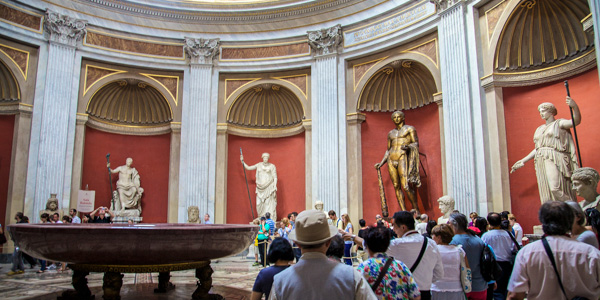 REMAINING PART OF THE PALACE
 CHAPEL OF SYKSTINS
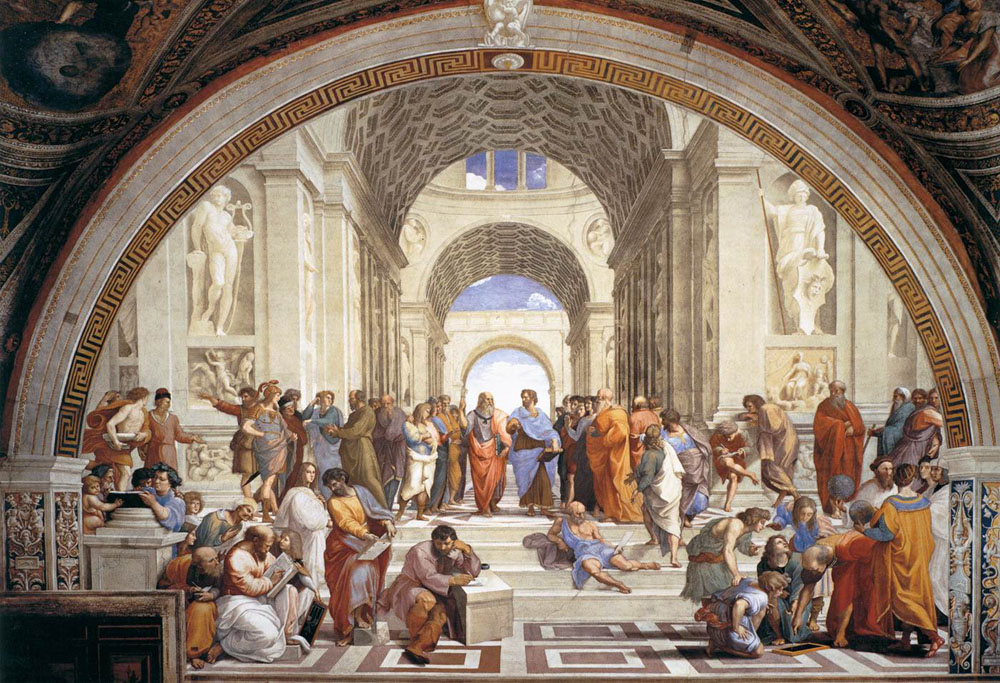 Vatican Museums
 St.. Peter
 On the way to the Vatican: St.. Angel (Castel Sant’ Angelo)
 Janiculum Hill
 Opposite the center in Trastevere is Trastevere, little, a compact district at the foot of the Janikulum Hill. In classical times, it was a cluster of craftsmen, preferably located near the Tiber discharge port, where goods were brought from Ostia. Later, during the Middle Ages and the Renaissance, …
 Via Appia Antica: reluctance
 Further south, St. Paul outside the walls, EUR and Tre Fontane